GPS location checks or scheduled welfare calls for dementia safety
When a person living with dementia still wants to leave the house, the question for families is often how much oversight is enough. Two common approaches sit at opposite ends of the day to day routine: GPS location checks that show where a wearable or phone is, and scheduled welfare calls that create regular human contact. Neither option replaces the other in every situation. The right fit depends on how the person navigates, how often they become disoriented, and what kind of help they accept.
A dementia wandering alarm built around GPS location is most useful when the main concern is finding someone after they have gone beyond a familiar route. A wearable can allow a trusted contact to request a location, see a map link, or check whether the person is still within a safe zone. Some systems also allow alerts when a set area is crossed. That can reduce the time spent guessing where to look, especially if the person has walked further than usual or has missed a turn.
Location tools work best when they are part of a calm agreement rather than a surprise. If a person feels watched, they may leave the device at home or switch it off. It can help to frame the device as a way to keep in touch, particularly if it also supports two-way calling. For families weighing location support for independent outings, the practical question is not only whether a location can be seen, but whether the person will keep the device with them and whether trusted contacts know what to do with the information.
What GPS checks can and cannot tell you
GPS location gives a point on a map, sometimes with a time stamp. It is good at answering a simple question: where is the device now? It is less good at answering why the person is there, whether they are distressed, or whether they need help getting home. A person may be safe at a shop, confused at a crossing, or sitting in a park by choice. The same dot on a map can mean very different things.
That is why location works best alongside other signals. A missed call, an SOS alert, a fall alert where available, or a pattern that does not match the usual routine can add context. A safe zone can be useful for a familiar neighbourhood, but it may be too blunt if the person often walks different routes. Geofencing can also create false alarms when someone takes a taxi, enters a building with poor signal, or takes a longer path home.
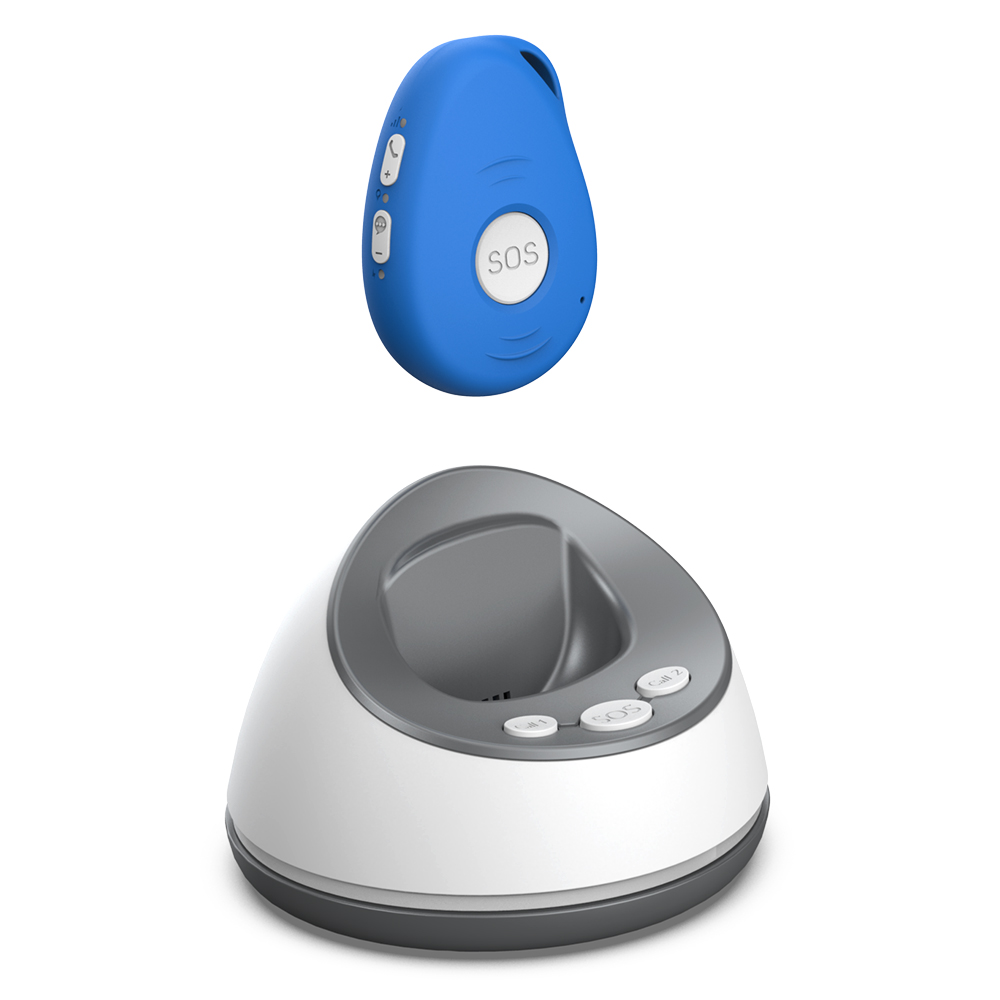
Battery life, coverage, and device comfort matter too. A wearable that is bulky or uncomfortable may be removed. A phone left on a kitchen bench cannot show a useful location. Any approach should include a simple habit of checking that the device is charged and being carried before the person heads out. That habit is more reliable than assuming the technology will always be ready.
Where scheduled welfare calls fit
Scheduled welfare calls are different. They create a predictable point of contact, such as a call at morning tea time or when someone usually returns from a walk. The value is in the conversation. A familiar voice can reveal tone, mood, confusion, or a change in plans. It also gives the person a chance to say they are lost or unsure before the situation becomes urgent.
Calls are a good fit when the person is generally safe but needs reassurance and structure. They can also suit someone who dislikes being tracked but accepts regular check ins. The limitation is timing. If the person leaves earlier, stays out longer, or is unable to answer, a scheduled call may only reveal that something is wrong after a delay. A call also depends on the person carrying or reaching a phone, and on them being able to pick up when they are stressed.
For some families, calls provide a sense of rhythm that location alone does not. For others, repeated calls feel intrusive or escalate worry. The tone matters. A brief, friendly check can feel supportive, while a rapid series of calls can feel like an interrogation. It helps to agree on what happens if a call is missed, such as trying again, contacting a nearby relative, or using a location request if that has been agreed.
Comparing the two approaches
GPS location checks are strongest when time and distance matter. They can help a trusted contact narrow down where to look, confirm that someone has reached a destination, or notice movement outside an expected area. They are less useful when the person cannot carry the device, when the device is not charged, or when the family has no clear response plan after seeing the location.
Scheduled welfare calls are strongest when conversation and reassurance matter. They can pick up on confusion, low mood, or a change in routine that a map cannot show. They are less useful when the person is already lost, distressed, or unable to answer. A call also does not provide a precise starting point for a search.

Many families find the most workable arrangement is a blend. A call sets the expectation for the outing, while location support for independent outings gives a quieter backup if plans go off track. The aim is not to remove every risk. It is to give the person room to move while giving trusted contacts a fair chance to respond when something changes.
Questions to settle before choosing
Start with the person's routine rather than the device. Where do they usually go, how do they travel, and what tends to unsettle them? If they often take the same short walk, a safe zone may be enough. If they catch buses or visit several places, a fixed boundary may create more noise than help. If they resist check ins, a wearable with SOS alerts and two-way calling may feel more acceptable than frequent calls from a phone.
It also helps to decide who responds. A map link is only useful if someone is available to act on it. Agree on who makes the first call, who checks the location, and who follows up if there is no reply. Keep the plan simple enough to remember during a stressful moment. Too many steps can delay action.
Privacy and dignity deserve attention as well. Location information should be shared only with people the person trusts. If the person can take part in the decision, explain what the device does in plain language and ask what feels comfortable. A clear agreement made on a settled day is easier to follow than a rule imposed after a frightening episode.
Choosing for different levels of need
For early changes in memory, scheduled calls may be enough if the person still plans routes well and can explain where they are. A call can act as a light touch check, and many people welcome the contact. If outings become less predictable, GPS location adds reassurance without turning every walk into a supervised event.
When disorientation becomes more frequent, location checks become more important. A person may know they need to go home but not know how to start. In that case, a way to request help and speak to a trusted contact can matter as much as the map itself. SOS alerts and two-way calling can bridge the gap between being found and being supported.

There are also times when neither approach is sufficient on its own. If the person is at risk of walking into traffic, leaving the house at night, or becoming distressed soon after setting out, the family may need a broader care plan. Technology can support that plan, but it should not be the only safeguard.
A practical way to decide
Compare the options against the moments that cause the most worry. If the worry is not knowing where someone went, GPS location is the closer match. If the worry is whether they are coping emotionally or have changed their plans, welfare calls are stronger. If both worries are present, a device that combines location, calling, and alerts may reduce the number of separate routines a family has to manage.
The best choice is the one the person will actually use and the family can respond to. A simple system with clear trusted contacts, a charged device, and an agreed call routine usually works better than a complicated setup that depends on perfect conditions. Dementia care changes over time, so the arrangement should be reviewed when routes, confidence, or communication needs shift.